Paver Restoration vs Cleaning for Wisconsin Patios
Paver patios are built to last, but patios in Burlington and nearby communities like Waterford, Union Grove, Lake Geneva, Elkhorn, and East Troy face steady wear from southeastern Wisconsin’s climate. Freeze thaw cycles, moisture, shade, and organic growth often leave pavers looking faded, slippery when wet, or slightly uneven. Homeowners across Racine and Walworth Counties commonly reach a point where they are unsure if professional paver cleaning is enough or if full paver restoration is the better long term option.
Based out of Burlington, Boulder Ridge Landscaping regularly works on paver patios throughout Racine and Walworth Counties and sees these same conditions across residential properties. The right solution depends on what is happening beneath the surface, not just how the patio looks. Understanding the difference between paver cleaning and paver restoration helps homeowners address the real issue and avoid short term fixes that do not last.
This guide explains how each service works, when one is more appropriate than the other, and how to determine what your patio actually needs based on common conditions found throughout the local service area.
What Paver Cleaning Is Designed to Fix
Paver cleaning focuses on the surface of the patio. The goal is to remove buildup that affects appearance and safety without disturbing the structure of the pavers.
Cleaning is typically the right choice when the patio is stable but visually affected by organic growth or dirt.
Issues Paver Cleaning Can Resolve
Professional paver cleaning is effective when you are dealing with:
-
- Moss or algae growing on the surface
- Green or black discoloration that becomes slippery when wet
- Dirt buildup from foot traffic, leaves, or surrounding soil
- Light staining that has not penetrated deeply into the pavers
In these situations, cleaning improves traction and restores the patio’s appearance without requiring deeper repair work.
What Cleaning Does Not Address
Cleaning alone does not solve structural or joint related issues, including:
-
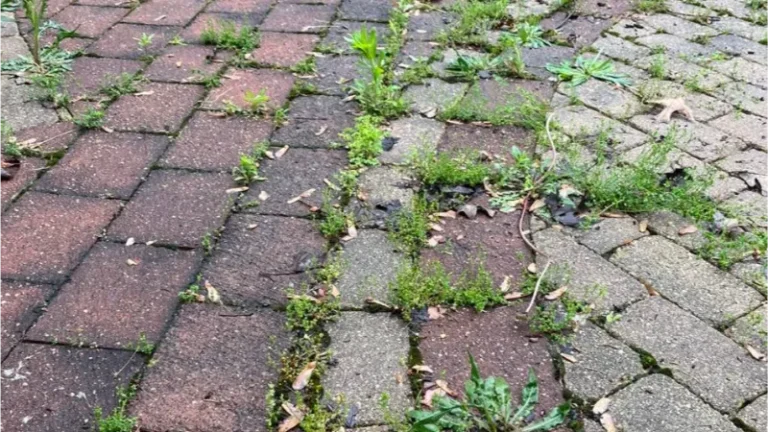
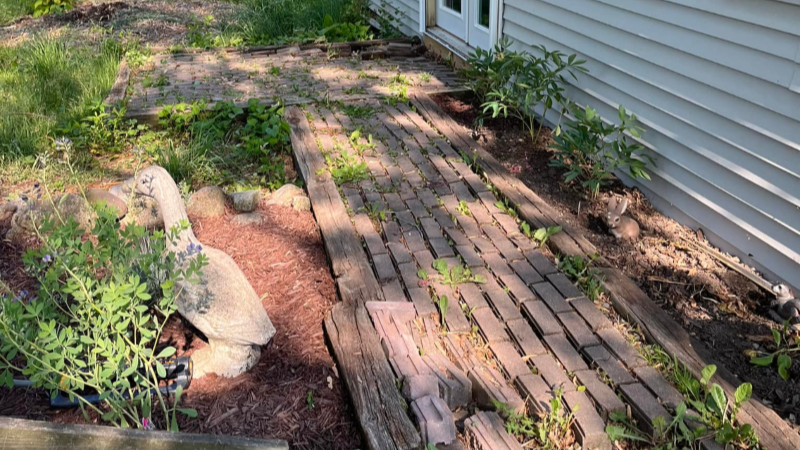
- Grass or weeds growing between pavers
- Missing or washed out joint sand
- Pavers lifting, sinking, or shifting
- Uneven surfaces that collect water
If these problems are present, cleaning may provide a short term visual improvement, but the underlying issues will continue to worsen.
What Paver Restoration Involves
Paver restoration addresses both appearance and performance. It goes beyond surface cleaning and focuses on stabilizing the patio so it functions properly long term.
Restoration is often recommended when the patio shows signs of joint failure or movement.
Signs Your Patio Likely Needs Restoration
Restoration is usually the better option when you notice:
-
- Weeds or grass growing consistently between joints
- Gaps where joint sand has broken down or disappeared
- Pavers rocking underfoot or sitting unevenly
- Sections of the patio lifting or settling
- Organic growth returning quickly after past cleanings
These are indicators that the joint material or base support is no longer doing its job.
Why Polymeric Sand Matters
A key component of paver restoration is replacing failed joint material with polymeric sand.
Polymeric sand is designed to harden once activated with water. When properly installed, it helps:
-
- Lock pavers together to reduce movement
- Prevent weeds from taking root between joints
- Limit insect activity
- Reduce washout during heavy rain
Over time, traditional sand erodes due to rainfall, freeze thaw cycles, and foot traffic. Polymeric sand restores joint stability and helps protect the patio from further shifting.
Cleaning vs Restoration, Key Differences
Understanding the scope of each service makes the decision clearer.
Paver Cleaning
-
- Targets surface appearance only
- Removes algae, moss, dirt, and light staining
- Improves safety by reducing slippery buildup
- Does not correct joint failure or movement
Paver Restoration
-
- Includes deep cleaning plus joint repair
- Replaces missing or failed joint sand with polymeric sand
- Addresses minor leveling issues when possible
- Improves durability and long term performance
If your patio is level and structurally sound, cleaning may be sufficient. If it shows signs of instability or joint breakdown, restoration is usually the smarter investment.
How Local Conditions Affect Paver Patios
In southeastern Wisconsin, freeze thaw cycles and moisture are major contributors to paver wear. Water entering the joints expands when frozen, pushing pavers out of alignment. Shade and tree cover encourage moss and algae growth, especially on patios that receive limited sunlight.
Homeowners across the region often notice patios becoming slippery in spring or weeds appearing by mid summer. These patterns usually indicate joint material breakdown and signal that restoration may be needed rather than repeated cleanings.
Cost and Scope Considerations
The right choice is not only about appearance, it is also about value over time.
When Cleaning Is Typically Enough
Cleaning is often appropriate when:
-
- The patio is level and stable
- Joint sand is still intact
- Issues are limited to surface growth or discoloration
When Restoration Makes More Sense
Restoration is usually the better option when:
-
- Weeds or grass are growing through the joints
- Pavers have shifted or settled
- Organic growth returns quickly after cleaning
While restoration costs more initially, it often prevents ongoing maintenance issues and delays the need for replacement.
Common Misconceptions Homeowners Have
Pressure Washing Fixes Everything
High pressure washing can remove surface growth but often strips out remaining joint sand. Without proper replacement, weeds and shifting typically return faster than before.
Weeds Mean the Patio Was Installed Incorrectly
In most cases, weed growth is caused by joint sand breakdown over time, not improper installation. Even well built patios require periodic maintenance.
Sealing Solves Structural Problems
Sealers help protect the surface and enhance color, but they do not stabilize loose pavers or replace missing joint material. Sealing works best after restoration, not as a substitute for it.
When Professional Help Is the Right Call
If you are unsure whether paver cleaning or restoration is appropriate, a professional evaluation can help clarify the issue. An experienced contractor can determine whether the problem is cosmetic or structural and recommend the right solution.
Local conditions also play a role. Soil movement, drainage, and seasonal weather all affect how paver systems perform across Racine and Walworth Counties.
For homeowners planning ahead, the landscape pricing guide can provide general cost context for plantings and landscape improvements, while the hardscape pricing guide outlines typical price ranges for patios, walkways, and other paver related projects.
Local Experience and the Right Solution
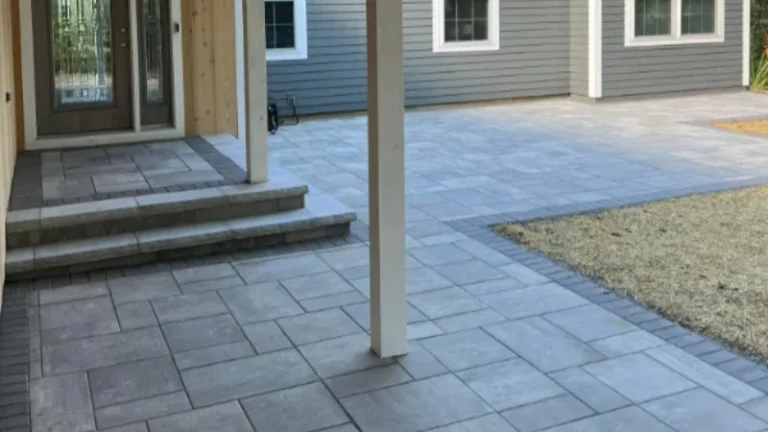
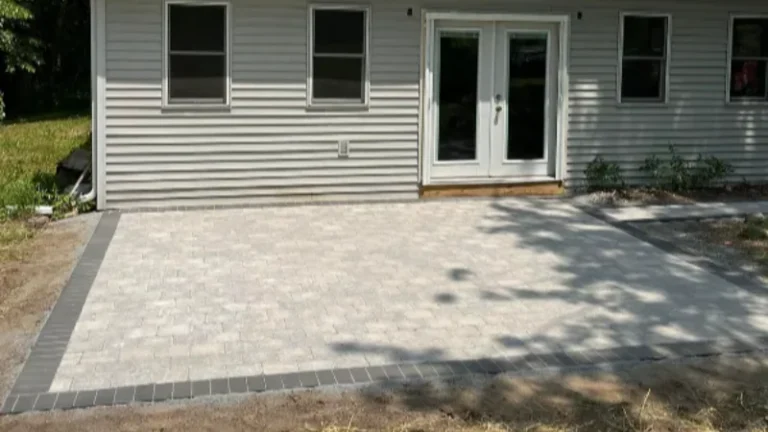
Boulder Ridge Landscaping provides professional paver cleaning and paver restoration services for patios, walkways, and driveways throughout Racine and Walworth Counties. Their team regularly addresses issues caused by organic growth, joint sand breakdown, and seasonal movement common in southeastern Wisconsin.
As a Better Business Bureau accredited company, Boulder Ridge Landscaping focuses on recommending the appropriate level of service. Cleaning is suggested when surface buildup is the primary issue, while restoration is recommended when weeds, missing joint sand, or shifting pavers are present.
In addition to paver cleaning and restoration, Boulder Ridge Landscaping provides the following services:
Addressing the correct issue at the right time helps protect your investment and keeps your patio safe and functional.
If you are unsure which option is right for your patio, contacting Boulder Ridge Landscaping for an evaluation can help clarify the most appropriate next step for your property.