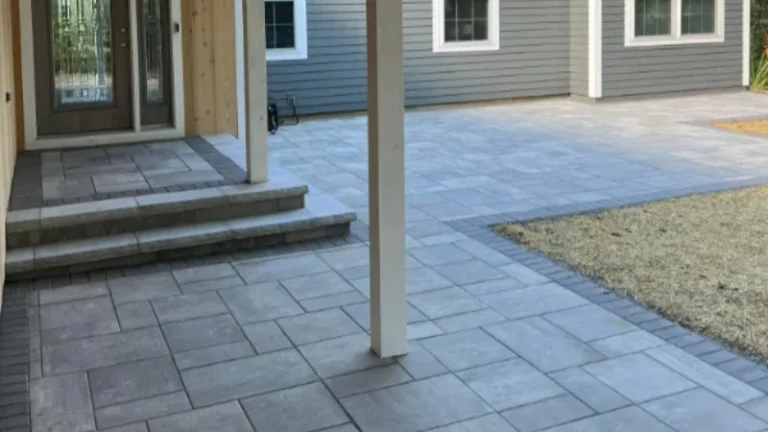
Is Your Paver Walkway Unsafe? Here’s How We Can Fix It
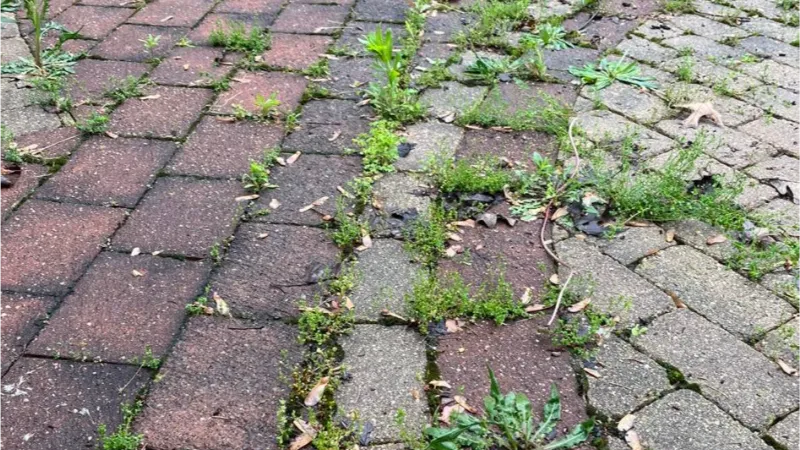
Paver walkways are designed to be durable and attractive, but even well built walkways can become unsafe over time. Homeowners in Burlington and nearby communities like Waterford, Union Grove, Lake Geneva, Elkhorn, and East Troy often notice subtle changes first. A stone that rocks underfoot. A section that feels slick after rain. Joints that once looked tight now collect weeds or washed out sand.
Across Racine and Walworth Counties, these issues are common due to southeastern Wisconsin’s climate. Freeze thaw cycles, moisture, and seasonal ground movement gradually affect paver systems. What begins as a cosmetic concern can turn into a genuine trip hazard if left unchecked.
Based out of Burlington, Boulder Ridge Landscaping works on paver walkways throughout the local service area and regularly sees these conditions on residential properties. The right solution depends on whether the issue is surface related or structural. Understanding the cause is the key to fixing the problem correctly and avoiding short term repairs that do not last.
This guide explains why paver walkways become unsafe, how to spot warning signs early, and what professional solutions are available to restore safety and long term performance.
What Makes a Paver Walkway Unsafe
A walkway does not need to be severely damaged to pose a risk. Small changes in alignment or traction can significantly affect footing, especially for children, older adults, or anyone using the walkway in wet or icy conditions.
Most safety issues fall into two categories: surface traction problems and structural instability. Surface problems affect grip, while structural problems affect how the pavers support weight and stay aligned.
Understanding which category applies helps determine the right fix.
Common Safety Issues Homeowners Encounter
Unsafe paver walkways often show one or more of the following conditions:
-
- Slippery algae or moss growth, especially in shaded areas
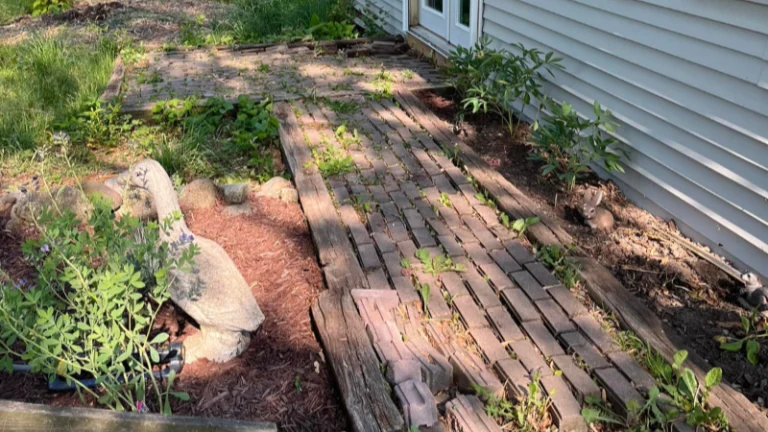
- Uneven pavers that rock or tilt when stepped on
- Settled sections that create dips or abrupt height changes
- Raised edges that catch shoes or trip guests
- Loose or missing joint sand that allows movement
These issues typically worsen gradually, making them easy to overlook until someone stumbles or avoids the walkway altogether.
Why These Problems Develop Over Time
Paver walkways rely on a stable base and properly functioning joints. In southeastern Wisconsin, several factors contribute to gradual failure:
-
- Freeze thaw cycles that expand and contract joint material
- Spring rains that wash out traditional sand
- Clay based soils that shift with moisture levels
- Shade from trees that encourages moss and algae growth
Even professionally installed walkways require periodic maintenance as these conditions take their toll.
Warning Signs Your Walkway Needs Attention
Catching problems early can often prevent more involved repairs later. Many warning signs are subtle but consistent.
Visual Warning Signs
Walkways that need attention often show:
-
- Gaps forming between pavers
- Green or darkened areas that stay damp
- Weeds or grass growing through joints
- Settling near steps, driveways, or patios
Functional Warning Signs
Beyond appearance, pay attention to how the walkway feels:
-
- Pavers that move when stepped on
- Uneven transitions between sections
- Water pooling instead of draining away
- Slippery spots after rain or morning dew
If any of these are present, the walkway is no longer performing as intended.
What Professional Paver Cleaning Can Fix
Professional paver cleaning focuses on restoring surface safety and appearance without altering the structure of the walkway.
Cleaning is typically the right choice when the walkway is stable but affected by buildup that reduces traction or visibility.
Issues Paver Cleaning Is Designed to Address
Professional paver cleaning is effective when dealing with:
-
- Algae or moss buildup that creates slippery surfaces
- Dirt and organic residue from foot traffic
- Light staining from leaves or surrounding landscaping
- Surface discoloration that obscures joint lines
In these situations, cleaning improves traction and makes the walkway safer to use.
What Cleaning Does Not Resolve
Cleaning alone does not fix:
-
- Uneven or sunken pavers
- Missing or washed out joint sand
- Ongoing weed growth between joints
- Structural movement beneath the surface
In fact, pressure washing without proper joint repair can sometimes accelerate these issues by removing remaining sand.
When Paver Restoration Is Necessary
Paver restoration addresses both safety and structure. It goes beyond surface cleaning and focuses on stabilizing the walkway so it remains safe long term.
Restoration is often recommended when movement or joint failure is present.
Signs Restoration Is the Better Option
Walkways usually require restoration when you notice:
-
- Pavers rocking or shifting underfoot
- Persistent weed growth despite cleaning
- Uneven sections forming trip hazards
- Joint sand disappearing after rainfall
- Problems returning quickly after prior cleanings
These signs indicate that the joint system or base support is no longer functioning properly.
Why Polymeric Sand Improves Safety
A key component of restoration is replacing failed joint material with polymeric sand.
When properly installed, polymeric sand helps:
-
- Lock pavers together to reduce movement
- Prevent weeds from taking root
- Improve load distribution across the walkway
- Reduce washout during heavy rain
This added stability directly improves safety by minimizing shifting and uneven surfaces.
Cleaning vs Restoration for Walkway Safety
Understanding the scope of each service helps homeowners make informed decisions.
Paver Cleaning
-
- Improves surface traction
- Removes algae, moss, and dirt
- Restores appearance
- Does not address movement or settling
Paver Restoration
-
- Includes deep cleaning and joint repair
- Stabilizes loose or uneven pavers
- Replaces failed joint sand
- Improves long term safety and performance
If the walkway is level and solid, cleaning may be sufficient. If it moves or feels uneven, restoration is usually the smarter choice.
How Local Conditions Affect Paver Walkways
In Racine and Walworth Counties, walkways are exposed to conditions that accelerate wear. Winter freeze thaw cycles push pavers out of alignment. Spring rains wash out joints. Shaded areas stay damp and promote organic growth.
Walkways near driveways, steps, or downspouts are especially vulnerable due to concentrated water flow and soil movement. These local factors make periodic evaluation important for maintaining safety.
Cost and Scope Considerations
Addressing walkway safety is not just about appearance. It is about preventing injuries and protecting long term value. Reviewing the hardscape pricing guide and landscape pricing guide can help homeowners understand how cleaning and restoration fit within typical project cost ranges.
When Cleaning Is Typically Enough
-
- The walkway is structurally sound
- Pavers are level and secure
- Issues are limited to surface buildup
- Joint sand remains intact
When Restoration Makes More Sense
-
- Pavers shift or rock
- Trip hazards have developed
- Joint sand has failed
- Problems return quickly after cleaning
While restoration involves a higher upfront cost, it often reduces ongoing maintenance and liability concerns and aligns with the higher end of hardscaping cost ranges.
Common Misconceptions About Unsafe Walkways
Pressure Washing Fixes Everything
Pressure washing removes surface buildup but often strips out joint sand, which can make instability worse.
Weeds Mean the Walkway Was Installed Incorrectly
In most cases, weeds indicate joint breakdown over time, not poor installation.
Sealing Solves Structural Problems
Sealants protect surfaces but do not stabilize loose pavers. Sealing works best after restoration, not instead of it.
When a Professional Evaluation Makes Sense
If you are unsure why your walkway feels unsafe, a professional evaluation can identify whether the issue is cosmetic or structural. An experienced contractor can assess drainage, joint condition, and base stability.
Local soil and weather conditions play a major role in how paver systems perform across southeastern Wisconsin, making regional experience especially important.
Local Experience and the Right Solution
Boulder Ridge Landscaping provides professional paver cleaning and paver restoration services for walkways, patios, and driveways throughout Racine and Walworth Counties. Their team routinely addresses safety issues caused by joint failure, organic growth, and seasonal ground movement.
As a Better Business Bureau accredited company, Boulder Ridge Landscaping focuses on recommending the appropriate level of service based on actual conditions, not appearance alone.
Additional services include:
Addressing safety concerns early helps keep your walkway functional, secure, and safe to use year-round. If you are unsure whether cleaning or restoration is needed, a professional assessment can clarify the condition of your pavers and outline the most effective next step.