
New Lawn & Sod Installation in Burlington, Wisconsin
At Boulder Ridge Landscaping, we install new lawns and sod for homeowners throughout Burlington and the surrounding area. Whether you’re finishing a new construction project, replacing a struggling lawn, or upgrading a front, backyard, or side yard, we focus on proper preparation so your lawn establishes quickly and lasts.
A healthy lawn starts below the surface. We handle grading, soil preparation, and drainage before installing seed or sod that’s well suited to Wisconsin conditions. The result is a lawn that looks good, feels great underfoot, and holds up through the growing season.
Common Reasons Homeowners Call Us for a New Lawn
If any of these sound familiar, we can help.
-
- New construction lawns – Final grading and new lawn installation for front yards, backyards, and side yards
- Full lawn replacement – Removing old, patchy turf and installing a fresh, uniform lawn
- Quick results with sod – Ideal for homeowners who want an instant green lawn for events or immediate curb appeal
- Problem lawns – Addressing weeds, bare spots, uneven ground, or drainage issues before installing a new lawn
- Curb appeal and resale upgrades – A professionally installed lawn is one of the fastest ways to improve how your property looks
Whether you’re starting from bare soil or replacing an existing lawn, we’ll help you choose the right approach and install it correctly for long-term success in Wisconsin’s climate.
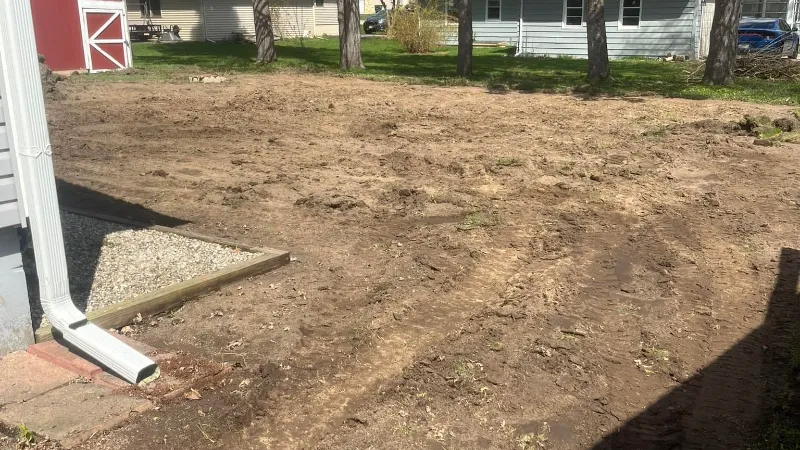
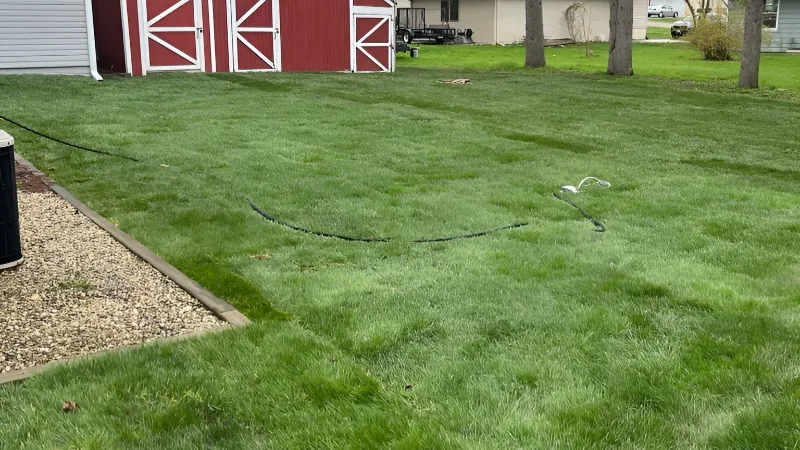
It’s More Than Just Laying Sod
A healthy lawn doesn’t come from simply rolling out sod. It starts with proper grading, soil preparation, and drainage. Many lawn problems in Wisconsin happen because these steps are skipped or rushed.
At Boulder Ridge Landscaping, we follow a proven process designed to help grass establish strong roots, grow evenly, and hold up through freeze thaw cycles, summer heat, and heavy use. We address issues below the surface first so your new lawn performs the way it should long after installation.
Our new lawn services include:
-
- Sod installation for fast, uniform results and immediate curb appeal
- Lawn seeding for larger areas, lower-traffic spaces, or budget-conscious projects
- Lawn renovation and replacement for properties with compacted soil, drainage issues, or failing turf
- Final grading and soil conditioning to create a smooth surface and promote proper water flow
By taking the time to prepare the site correctly, we install lawns that establish quickly, drain properly, and stay healthier over the long term.
What Types of Grass Thrive in Wisconsin?
Wisconsin’s climate is best suited for cool-season grasses that can handle cold winters, warm summers, and changing moisture conditions. The right grass choice depends on sun exposure, foot traffic, and how much maintenance you want from your lawn.
Common Grass Types We Use in Wisconsin
Kentucky Bluegrass
-
- The most common choice for residential lawns in Wisconsin
- Dense growth with a soft feel and rich green color
- Performs best in full sun and tolerates some shade
- Spreads naturally through underground rhizomes, helping lawns recover from wear
Turf-Type Tall Fescue
-
- Deeper root system for improved drought tolerance
- Holds up well in high-traffic areas
- Performs well in full sun and partial shade
- Requires less watering once established
Fine Fescue
-
- Ideal for shaded or low-maintenance areas
- Grows well under trees and in areas with less foot traffic
- Often blended with other grasses for balanced performance
Perennial Ryegrass
-
- Germinates quickly and establishes fast
- Commonly blended with Kentucky Bluegrass
- Useful for overseeding or quick lawn repairs
Sod Options Available in Southeastern Wisconsin
Most local sod farms supply blends that are grown specifically for Wisconsin soils and weather. Common options include:
-
- Kentucky Bluegrass sod for traditional residential lawns
- Tall fescue sod for sunny areas, heavier use, or drought-prone sites
- Bluegrass and fescue blends for balanced sun and shade performance
- Durable turf blends for active yards with kids or pets
Choosing the right grass is just as important as proper installation. We help homeowners select the best option based on their property, usage, and long-term goals so their new lawn establishes quickly and performs well year after year.
How Much Does A New Lawn Cost?
The cost for new lawn installation can vary depending on the method used (seed or sod), how much property grading is required, if you want a sprinkler system, and the size of the property, and more.

Small Lawns
$3500 - $6000
This would be for a small front and backyard on a typical, flat, level Racine and Walworth Counties sized city building lot. Irrigation, edging, and garden beds would add additional cost.

Medium Sized Lawns
$6000 - $12,000
This would be the cost for a property that was between approximately 1/4 to 1/2 acre in size. Irrigation, edging, and garden beds would be an additional expense.

Large Or Luxury Lawns
$12,000 - $25,000+
This would be for properties larger than 1/2 acre in size. It would include front and backyard, edging, irrigation, and surrounding garden beds.
Lawn installation costs can vary based on site conditions, material choices, and project size. These are ballpark figures meant to give you a general idea. For an accurate quote, we’ll need to visit your property, discuss your goals, and assess the scope of work. After your consultation, we’ll provide a clear, firm estimate to get your lawn installed properly.