Paver Patio Facelift Options for Spring
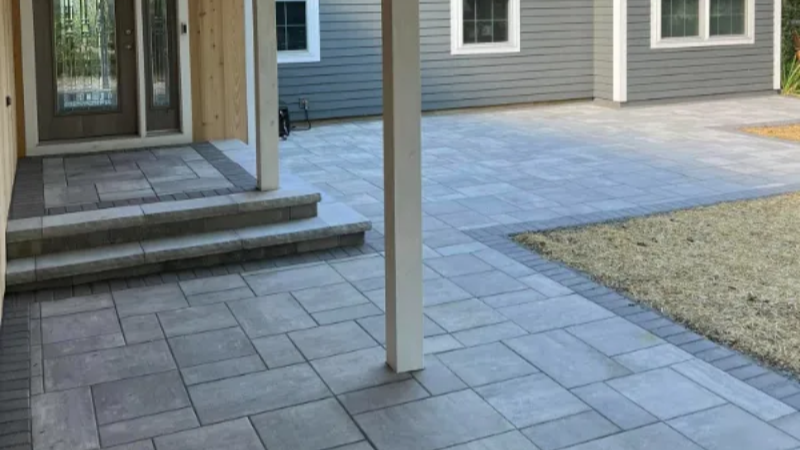
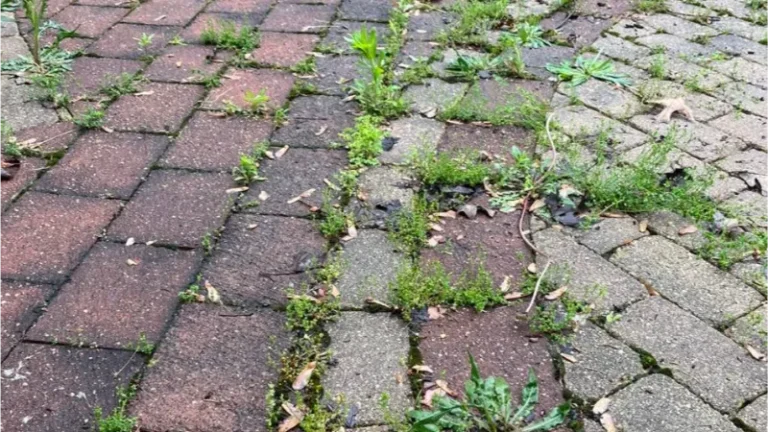
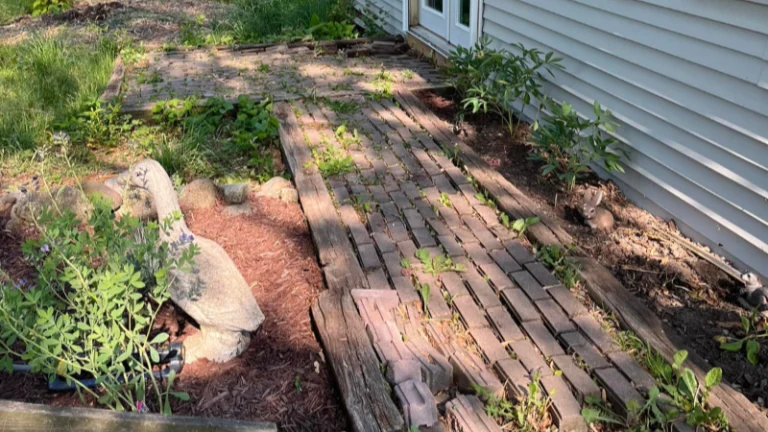
Paver patios are one of the most popular outdoor features for Wisconsin homes, but even well built patios can start to look tired after years of use. Homeowners in Burlington and nearby communities such as Waterford, Union Grove, Lake Geneva, Elkhorn, and East Troy often notice their patios losing color, collecting algae, or developing weeds between the joints.
Over time, dirt, moisture, and organic growth can make pavers look dull and feel slippery underfoot. A patio that once felt inviting can become uncomfortable to walk on barefoot during the summer, especially when algae or moss create a slimy surface.
Across Racine County and Walworth County, refreshing older paver patios is a common spring project. A professional facelift can restore the look and performance of your patio for a fraction of the cost of replacement, while also correcting small issues before they turn into larger problems.
This guide explains why paver patios lose their appearance, what a proper facelift involves, when restoration makes sense, and why professional service delivers better and longer lasting results than DIY approaches.
Why Paver Patios Start to Look Worn Over Time
Paver patios are designed to be durable, but they are still exposed to constant environmental stress.
Common Causes of Patio Wear
Most aging patios show wear due to:
-
- Dirt and airborne debris settling into surface texture
- Algae, moss, and mildew growth in shaded or damp areas
- Weed and grass growth between joints
- Fading caused by UV exposure
- Minor settling from freeze thaw cycles
These issues develop gradually, so homeowners often do not notice how much the patio has changed until it looks significantly worse than when it was installed.
Why Spring Is the Ideal Time for a Facelift
Spring cleanup removes winter residue and reveals hidden issues. Addressing them early helps prevent:
-
- Slippery surfaces during summer use
- Weed roots spreading and widening joints
- Uneven pavers becoming trip hazards
Restoring the patio in spring sets it up for comfortable use all season long.
Where Patio Wear Is Most Commonly Seen
Certain patio areas tend to show wear faster than others.
High Traffic and Moisture Prone Areas
Homeowners often notice problems:
-
- Near steps and walkways
- Around seating and grilling zones
- Along edges where soil and mulch wash onto the patio
- In shaded areas with limited sunlight
- Near downspouts or poor drainage zones
These conditions encourage algae growth and joint erosion.
Why These Areas Matter
When wear is ignored in high traffic zones, it can spread across the entire patio. Early restoration prevents more extensive repairs later.
Signs Your Paver Patio Needs a Facelift
Paver patios rarely fail suddenly. The signs usually appear slowly.
Visual and Comfort Indicators
A facelift is often needed if you notice:
-
- Dark staining or green algae buildup
- Slippery or slimy surfaces
- Faded or uneven color
- Loose or missing joint sand
- Weeds or grass pushing through joints
These problems affect both appearance and usability.
Structural and Surface Issues
Beyond appearance, look for:
-
- Slightly uneven or rocking pavers
- Sunken edges or corners
- Water pooling after rain
These issues are often correctable during restoration if addressed early.
Why Professional Cleaning Beats DIY Methods
Many homeowners try to clean patios themselves, but results are often inconsistent.
Limitations of DIY Power Washing
Common DIY issues include:
-
- Uneven cleaning that leaves streaks
- Excessive pressure damaging paver surfaces
- Washing out joint sand
- Incomplete algae removal
Standard pressure washers are not designed for large flat paver surfaces.
Benefits of Professional Surface Cleaning
Professional crews use specialized surface cleaning attachments that:
-
- Clean evenly without damaging pavers
- Remove algae and buildup efficiently
- Protect joint integrity
- Restore original color more consistently
The result is a patio that looks refreshed rather than patchy.
What a Proper Paver Patio Facelift Involves
A professional facelift is more than just washing the surface.
Safe and Thorough Cleaning
The process typically includes:
-
- Pre treatment of heavy buildup
- Surface cleaning with specialized equipment
- Rinsing to remove residue
This method cleans quickly and safely without gouging or discoloring pavers.
Joint Sand Replacement and Weed Control
If weeds or grass are present, restoration includes:
-
- Removing organic growth from joints
- Reapplying polymeric sand
- Setting the sand properly to resist future weeds
Polymeric sand helps lock pavers in place and reduces ongoing maintenance.
Correcting Minor Paver Movement
Small issues can often be fixed during restoration, such as:
-
- Resetting slightly uneven pavers
- Adjusting edges that have settled
- Improving drainage flow across the surface
Addressing these early helps extend the life of the patio.
Why Restoration Is Better Than Full Replacement
Many homeowners assume replacement is the only option.
When a Facelift Makes Sense
Restoration is usually ideal when:
-
- The patio structure is still sound
- Issues are mostly surface level
- Settling is minor and localized
- Homeowners want improved appearance quickly
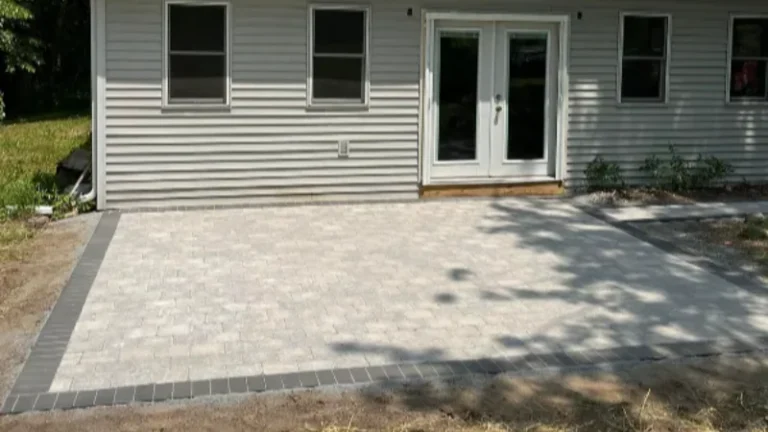
A facelift can make the patio look nearly new again.
Cost and Value Benefits
Compared to replacement, restoration:
-
- Costs significantly less
- Requires less disruption
- Preserves existing materials
- Delivers immediate visual improvement
Reviewing the landscape pricing guide helps homeowners understand related grading or planting work, while the hardscape pricing guide provides context for patio restoration versus replacement.
Common Misconceptions About Patio Restoration
Cleaning Alone Fixes Everything
Cleaning improves appearance, but without joint repair and minor corrections, issues return quickly.
Weeds Are Just a Maintenance Issue
Weeds indicate joint failure. Left untreated, they allow movement and further erosion.
Uneven Pavers Are Only Cosmetic
Even small height differences can worsen over time and create safety concerns.
When Professional Evaluation Is the Right Call
Determining whether a patio needs cleaning, restoration, or partial repair requires experience. A professional evaluation helps identify:
-
- Drainage concerns
- Joint condition
- Structural integrity
- Long term maintenance needs
Local soil conditions and seasonal freeze thaw cycles across Racine and Walworth Counties play a major role in patio performance.
Local Experience and Long Term Patio Solutions
Boulder Ridge Landscaping restores and maintains paver patios throughout southeastern Wisconsin. Their team specializes in professional surface cleaning, polymeric sand installation, and correcting minor paver issues to extend patio life.
As a Better Business Bureau accredited company and Unilock Authorized Contractor, Boulder Ridge Landscaping focuses on safe, effective restoration methods that protect your investment.
In addition to paver patio restoration, Boulder Ridge Landscaping provides:
Refreshing an aging patio improves comfort, safety, and curb appeal without the expense of full replacement.
If your paver patio looks dirty, uneven, or overgrown, schedule a professional evaluation and estimate to see how a spring facelift can bring it back to life and get your outdoor space ready for the season.