Replacing Your Rotten Wood Retaining Wall
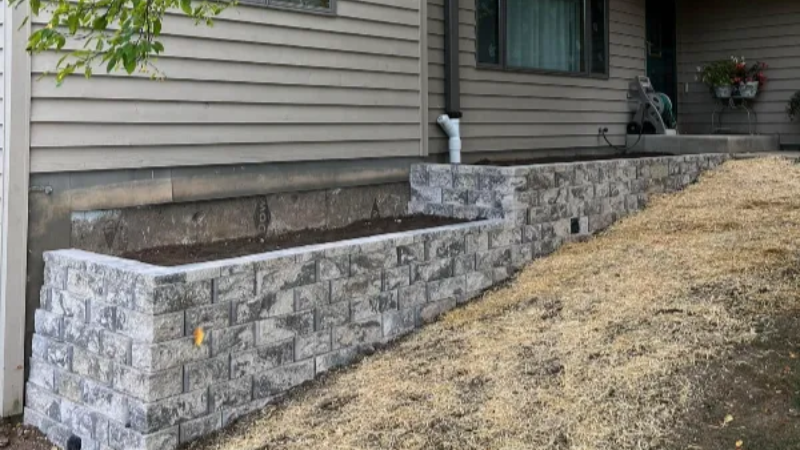
Wood retaining walls are a common sight across residential properties, especially older homes. Many of these walls were built using landscape ties or railroad ties, materials that were affordable and easy to install at the time. Homeowners in Burlington and nearby communities such as Waterford, Union Grove, Lake Geneva, Elkhorn, and East Troy frequently encounter these aging structures around their homes.
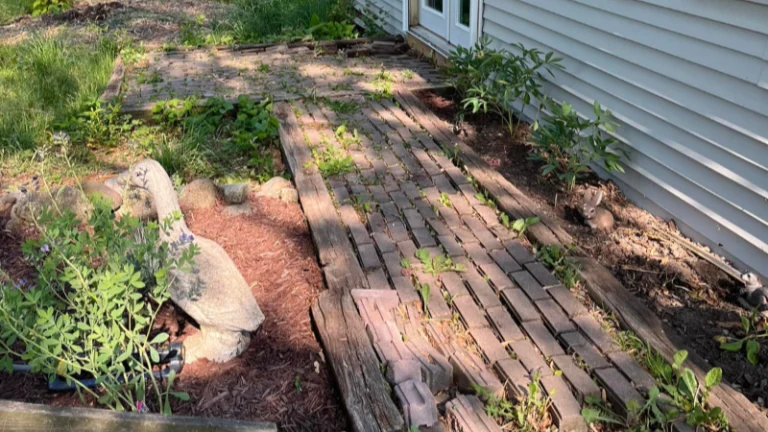
While wood retaining walls may hold up for a period of time, they were never intended to be permanent solutions. Over the years, moisture, soil pressure, and freeze thaw cycles cause the wood to rot, warp, and slowly lean forward. Eventually, many of these walls collapse or become severely unsightly, detracting from both curb appeal and safety.
Across Racine County and Walworth County, replacing old wood retaining walls is a common project. Understanding why these walls fail and how a proper replacement is built helps homeowners make better long term decisions for their property.
This guide explains where wood retaining walls are commonly found, why replacement is usually the right move, how the process works, and why modern segmental block retaining walls are a better long term solution.
What Wood Retaining Walls Were Built For, and Why They Fail
Landscape ties and railroad ties were widely used for retaining walls because they were inexpensive and readily available. These walls were often installed quickly to create level areas in sloped yards or to edge landscape beds.
The problem is that wood in constant contact with soil and moisture will always break down.
Common Materials Used in Older Retaining Walls
Most failing wood retaining walls are built from:
-
- Pressure treated landscape ties
- Reclaimed railroad ties
- Stacked timber systems without proper drainage
Even treated wood absorbs moisture over time. Once rot begins internally, the wall loses strength long before the damage is obvious on the surface.
Why Wood Retaining Walls Are Not Permanent
Wood retaining walls commonly:
-
- Slowly lean forward as soil pressure increases
- Rot from the inside out
- Separate at joints and fasteners
- Collapse after heavy rain or freeze thaw cycles
- Become visually rough, splintered, and uneven
Once deterioration starts, repairs rarely stop the progression.
Where Rotten Wood Retaining Walls Are Commonly Found
Wood retaining walls were often used in high visibility and high stress areas around residential properties.
Typical Locations Around the Home
Homeowners most often find failing wood retaining walls:
-
- Along driveway edges
- Bordering front yard garden beds
- Surrounding walk-out basement foundations
- Holding back soil in sloped backyards
- Supporting patios or walkways above lower grades
These locations place constant pressure on the wall, which accelerates failure once the wood begins to rot.
Why These Areas Are High Risk
Driveways, patios, and fenced areas add extra weight behind the wall. When drainage is poor or the wall lacks reinforcement, failure is only a matter of time.
Signs Your Wood Retaining Wall Needs Replacement
Wood retaining walls rarely fail all at once. The warning signs usually appear gradually.
Structural Warning Signs
Replacement is typically needed if you see:
-
- Soft, crumbling, or hollow wood
- Sections leaning forward
- Gaps opening between ties
- Soil washing through or spilling over
- Adjacent hardscapes or fences shifting
These issues indicate that the wall can no longer safely hold back soil.
Drainage and Soil Movement Issues
Many wood walls were installed without proper drainage. Warning signs include:
-
- Standing water behind or at the base of the wall
- Muddy runoff after rain
- Bulging or movement after winter
Without drainage, pressure builds quickly and failure accelerates.
Why Replacement Is Better Than Repair
Once a wood retaining wall begins to rot, repairs are usually short lived.
Limitations of Repairing Wood Retaining Walls
Common repair attempts include:
-
- Replacing individual ties
- Adding bracing or anchors
- Filling gaps with soil or gravel
These fixes may improve appearance temporarily but do not restore structural integrity.
Benefits of Full Replacement
Replacing the wall allows the entire system to be rebuilt correctly, addressing both strength and drainage from the ground up.
What the Replacement Process Involves
A proper retaining wall replacement is more than swapping materials.
Removal and Excavation
The process typically includes:
-
- Excavating the area around the wall
- Removing the old wood wall completely
- Excavating enough material to install a proper base
- Creating space for correct backfill and drainage stone
This step is critical for long term performance.
Base, Backfill, and Drainage
A stable retaining wall depends on:
-
- A compacted gravel base
- Drainage stone behind the wall
- Drain tile to relieve water pressure
- Proper backfill techniques
Skipping these steps leads to premature failure, regardless of material.
Determining if Geogrid Is Required
In some situations, geogrid reinforcement is necessary. This is determined by:
-
- Wall height
- Surcharge loads such as fences, patios, or parking areas
- Soil conditions
- Proximity to structures
Geogrid ties the wall back into the slope, greatly increasing stability when additional load is present.
Why Segmental Block Retaining Walls Are a Better Solution
Segmental block retaining walls are designed specifically for long term soil retention.
Advantages Over Wood Retaining Walls
Segmental block systems:
-
- Do not rot or decay
- Allow for proper drainage
- Flex slightly with freeze thaw cycles
- Maintain structural integrity for decades
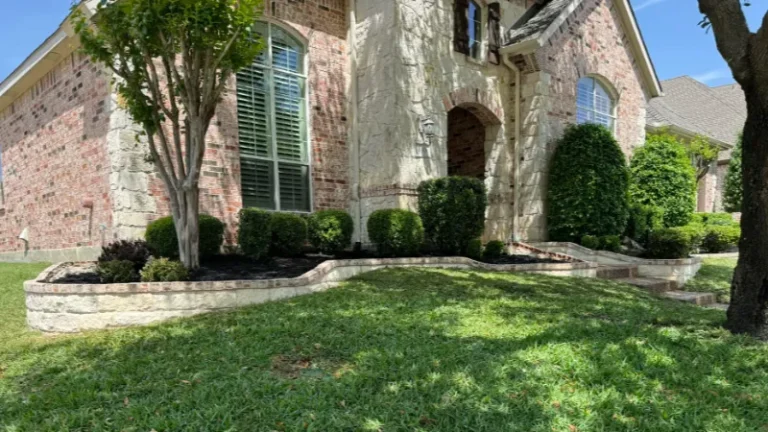
- Provide a clean, finished appearance
They are engineered systems, not temporary solutions.
Unilock Retaining Wall Products
Many homeowners choose Unilock retaining wall systems for their durability and design flexibility. These products are manufactured to consistent standards and integrate well with patios, walkways, and other hardscape features.
Working with a Unilock Authorized Contractor ensures the wall is installed according to manufacturer specifications and local conditions.
Cost and Planning Considerations
Replacing a wood retaining wall is an investment, but it prevents repeated repairs and future failures.
When Replacement Makes the Most Sense
Replacement is usually the right option when:
-
- The wall shows widespread rot
- Leaning or bulging is present
- Soil movement is affecting nearby features
- The wall supports added weight
Reviewing the landscape pricing guide helps homeowners understand grading and planting costs that may be part of the project, while the hardscape pricing guide provides useful context for retaining wall construction and related work.
Common Misconceptions Homeowners Have
Wood Walls Can Be Made Permanent
No wood retaining wall is permanent. Even the best maintained wood will eventually fail when buried in soil.
Sealing the Wood Stops Rot
Sealants do not protect wood that remains in constant contact with moisture and soil.
Leaning Is Only a Cosmetic Issue
A leaning retaining wall is a structural problem that worsens over time and should not be ignored.
When Professional Evaluation Is the Right Call
Determining wall height, drainage needs, and whether geogrid is required takes experience. A professional evaluation helps ensure the replacement is built correctly the first time.
Local soil conditions, slopes, and weather patterns across Racine and Walworth Counties all influence how retaining walls should be designed and constructed.
Local Experience and Long Term Retaining Wall Solutions
Boulder Ridge Landscaping replaces failing wood retaining walls with durable segmental block systems throughout southeastern Wisconsin. Their team regularly removes landscape tie and railroad tie walls and installs modern retaining walls designed for long term performance.
As a Better Business Bureau accredited company and Unilock Authorized Contractor, Boulder Ridge Landscaping focuses on building retaining walls that are structurally sound, properly drained, and visually integrated with the surrounding landscape.
In addition to retaining wall replacement, Boulder Ridge Landscaping provides:
Replacing a rotten wood retaining wall protects your property, improves curb appeal, and eliminates ongoing maintenance concerns.
If your retaining wall is leaning, rotting, or failing, schedule a professional evaluation and estimate to determine the safest and most durable solution for your property.